
Password & Authentication Security
Jun 15, 2025
MFA: The Simple Step That Blocks 99% of Attacks
Introduction
Relying on a single password to protect digital accounts is no longer a safe practice. Attack techniques have improved, stolen credentials are widely available, and automated tools allow unauthorized access attempts at massive scale. As a result, password-only protection fails far too often. Multi-Factor Authentication (MFA) stands out as one of the most effective and practical safeguards available today. When properly applied, it stops the vast majority of account takeover attempts by adding an additional verification layer that attackers cannot easily bypass.
Even with clear evidence of its effectiveness, MFA adoption remains inconsistent across organizations and individuals.
What Multi-Factor Authentication Means
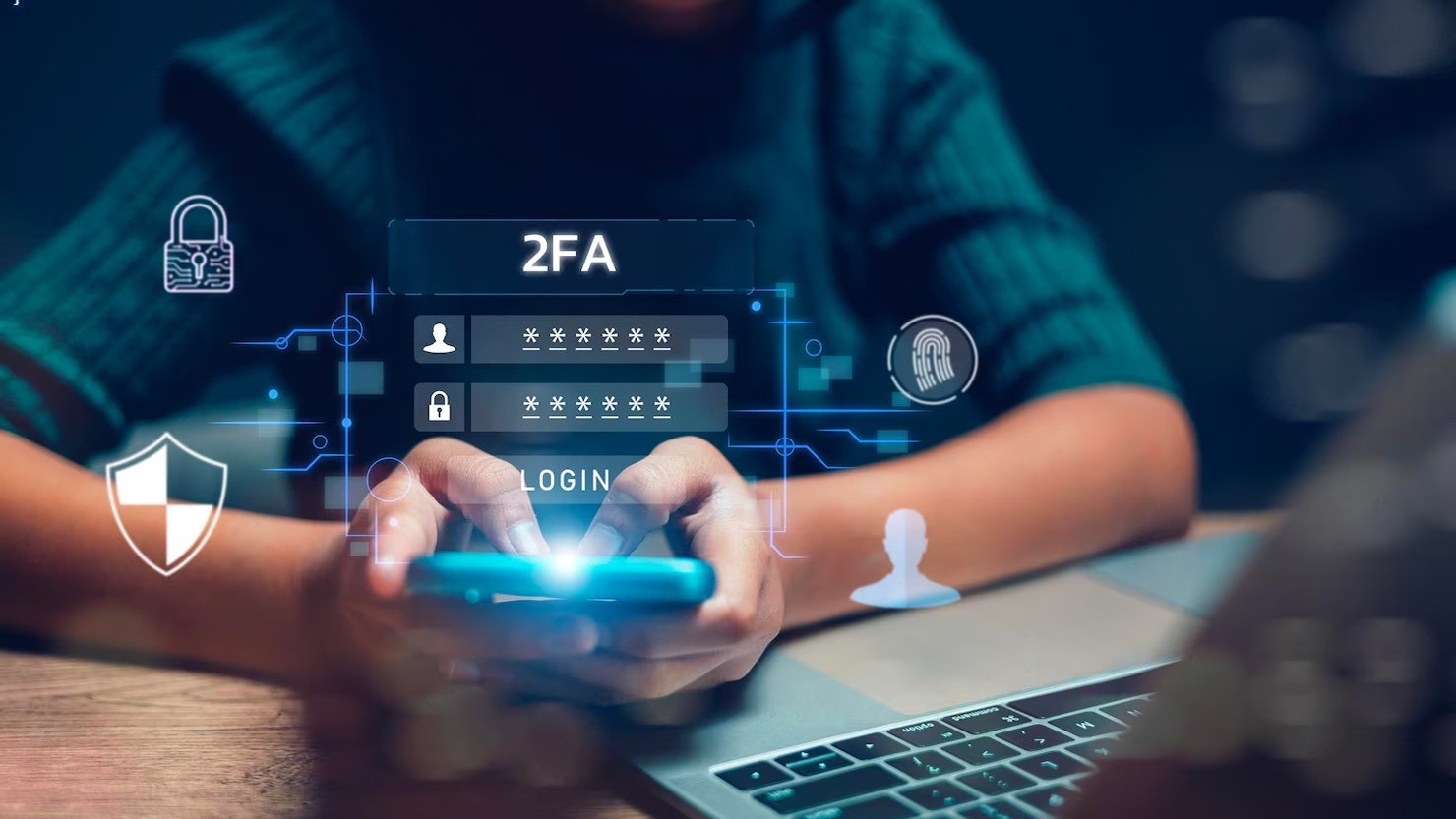
Multi-Factor Authentication is an access control method that requires more than one form of verification before granting entry to a system or account. Instead of relying on a single secret, MFA combines independent checks that confirm a user’s identity.
These checks usually include:
Knowledge-based verification such as a password or PIN
Possession-based verification such as a mobile phone, hardware key, or smart card
Biometric verification such as fingerprint or facial recognition
Because these factors are independent, compromising one does not grant access on its own. This separation dramatically limits the success of stolen credentials.
Why Password-Only Protection Fails
Passwords are frequently reused, poorly constructed, or obtained through phishing and data leaks. Once exposed, they are easy to test across multiple platforms using automated systems. Attackers do not need to guess credentials manually; they rely on speed, volume, and reuse patterns.
MFA interrupts this process. Even when a password is correct, access is denied without the additional verification step. This single requirement blocks most automated and remote attacks.
Measurable Security Impact
Large technology providers and security researchers consistently report that MFA prevents the overwhelming majority of automated account compromise attempts. Many high-impact breaches in sectors such as healthcare, finance, and education succeeded simply because secondary verification was missing.
Organizations that enable MFA experience fewer phishing-related incidents, reduced account abuse, and faster detection of suspicious login attempts.
Common Barriers to Adoption
Despite its benefits, MFA implementation is sometimes delayed due to concerns about user experience or deployment effort. Earlier solutions required physical tokens or complex setups, which discouraged use.
Modern MFA options have largely removed these obstacles. Mobile authenticator applications, push approvals, and biometric checks are quick and intuitive. Many platforms include MFA features at no additional cost, making deployment far more accessible than before.
Recommended MFA Practices
To gain maximum protection, organizations should apply MFA consistently rather than selectively. Effective implementation includes:
Requiring MFA for all users, with strict enforcement for administrators
Preferring authenticator apps or hardware keys over SMS-based codes
Educating users on approval prompts and recovery procedures
Reviewing authentication logs and adjusting policies regularly
Consistency matters more than partial rollout. MFA loses effectiveness when exceptions are common.
MFA as a Security Standard
MFA should not be treated as an optional enhancement. It represents a baseline requirement for protecting modern systems. As attackers continue to target identity rather than infrastructure, strong authentication becomes central to overall defense strategy.
Organizations that delay MFA adoption accept unnecessary risk, even when other security tools are in place.
Conclusion
Multi-Factor Authentication remains one of the most effective defenses against account compromise. It addresses the core weakness of password-based access by adding a second, independent verification step. Simple to deploy and proven to work, MFA significantly reduces exposure to common attack methods. Enabling it is one of the most impactful security decisions any organization or individual can make today.