
Corporate Training & Workforce Development
May 22, 2025
Upskilling and Reskilling the Workforce with Digital Learning
Introduction
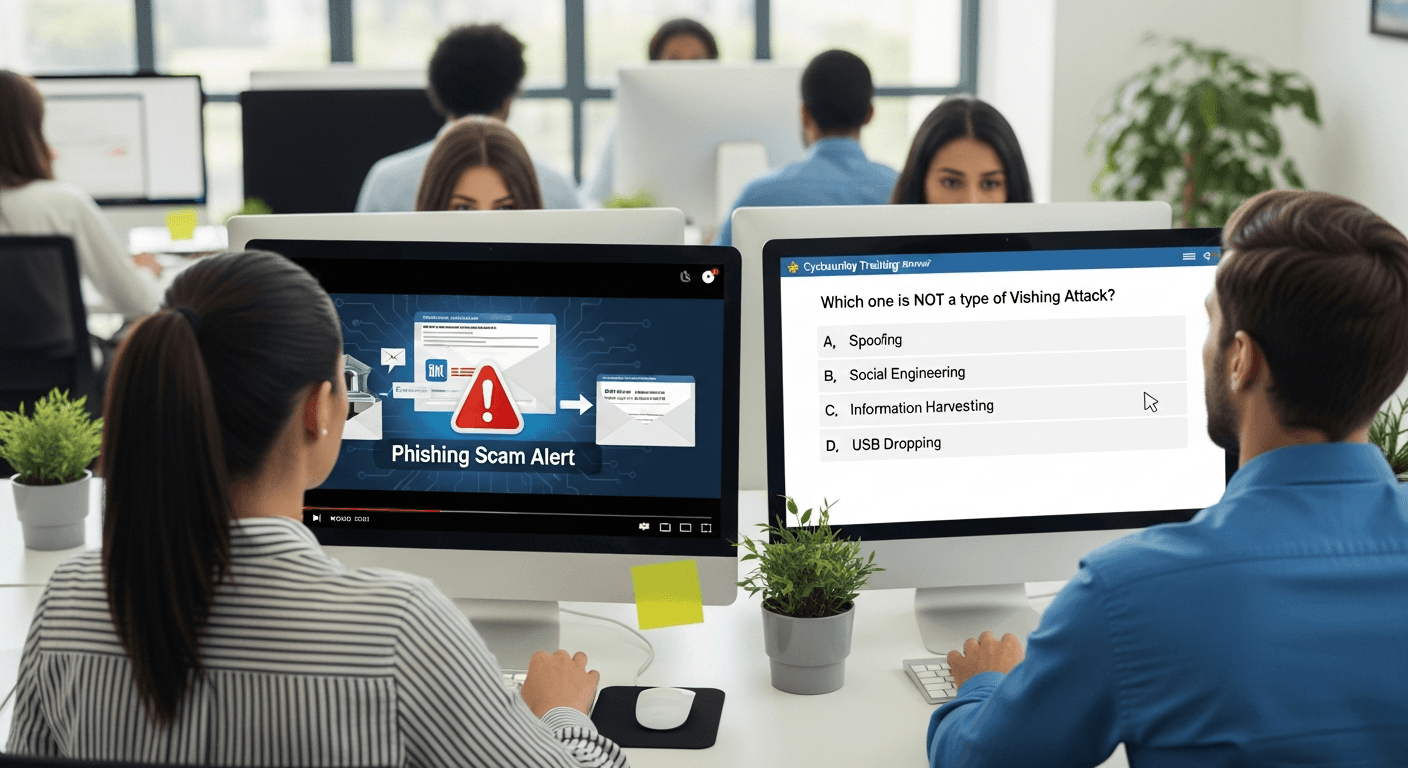
Rapid changes in technology, business models, and market demands are reshaping job roles across all industries. Skills that were valuable a few years ago may no longer be sufficient today. To remain competitive, organizations must continuously develop their workforce. Digital learning provides an effective and scalable way to upskill existing employees and reskill teams for new responsibilities without disrupting daily operations.
Rather than relying solely on external hiring, companies can strengthen internal capabilities through structured, ongoing learning programs.
Understanding Upskilling and Reskilling
Upskilling focuses on improving and expanding the skills employees already use in their current roles. This may include learning new tools, platforms, or methods related to their job.
Reskilling, on the other hand, prepares employees for entirely new roles when business needs change. This approach helps organizations adapt while retaining experienced staff who already understand company culture and processes.
Role of Digital Learning Platforms
Digital learning platforms make skill development accessible and manageable. Employees can access courses, tutorials, and assessments online, allowing learning to fit around work schedules.
Organizations can design role-based learning paths that align directly with current and future skill requirements, ensuring training efforts support real business needs.
Faster Skill Development and Adaptation
Digital learning enables employees to gain new skills quickly through focused, modular content. Instead of long classroom sessions, learners can complete short courses that target specific competencies.
This approach allows organizations to respond faster to change, whether adopting new software, entering new markets, or adjusting operational models.
Personalized Learning Paths
Not all employees require the same training. Digital learning systems allow content to be assigned based on role, department, experience level, or career goals.
Personalized learning increases relevance, improves engagement, and ensures that time spent on training directly supports performance improvement.
Cost-Effective Workforce Development
Traditional training methods often involve high costs related to travel, instructors, and lost productivity. Digital learning reduces these expenses while allowing training content to be reused and updated easily.
This makes long-term skill development more sustainable and easier to scale across the organization.
Retention and Employee Motivation
Providing opportunities for growth demonstrates organizational commitment to employees’ futures. When staff see clear development paths, they are more likely to stay engaged and remain with the company.
Upskilling and reskilling programs also help employees feel prepared for change rather than threatened by it.
Measuring Skill Progress and Impact
Digital learning platforms provide clear visibility into participation, completion rates, and assessment results. This data helps organizations evaluate the effectiveness of training programs and identify remaining skill gaps.
Managers can use these insights to guide workforce planning and future training investments.
Conclusion
Upskilling and reskilling through digital learning allow organizations to adapt to change while strengthening internal talent. By providing flexible, targeted, and measurable learning opportunities, companies can prepare their workforce for evolving roles, reduce dependency on external hiring, and support sustainable growth in a changing business environment.