
Compliance & Industry-Specific Risks
Sep 5, 2025
Why Compliance Doesn’t Equal Security
Introduction
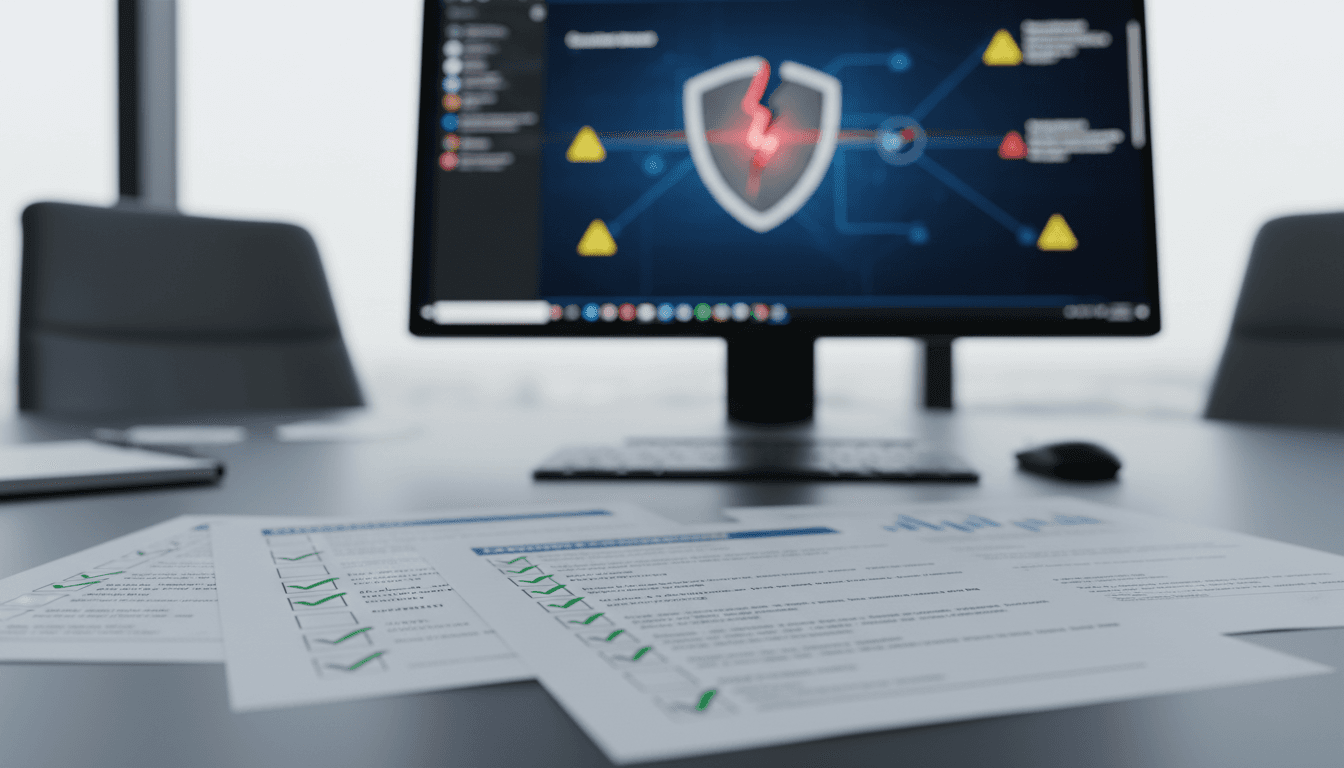
Many organizations assume that meeting regulatory requirements automatically means they are secure. Compliance frameworks, audits, and certifications create a sense of confidence that systems and data are protected. However, real-world incidents repeatedly show that compliant organizations still experience serious breaches. Compliance is important, but it is not the same as security. Understanding the difference is essential for reducing real cyber risk.
What Compliance Actually Means
Compliance focuses on meeting defined rules, standards, and legal requirements. These rules are designed to establish a minimum acceptable level of protection and accountability. Audits typically assess whether specific controls, policies, and documentation exist at a given point in time.
Passing an audit means an organization met the stated requirements—not that it is fully protected against evolving threats.
Security Is Dynamic, Compliance Is Static
Cybersecurity threats change constantly. Attack techniques evolve, new vulnerabilities appear, and business environments shift. Compliance standards, however, change slowly and are often based on past incidents.
An organization may remain compliant while attackers adapt their methods faster than controls are updated. Security requires continuous adjustment, while compliance often focuses on periodic checks.
Checkbox Mentality Creates Risk
When organizations treat compliance as a checklist exercise, security becomes secondary. Controls may exist only to satisfy auditors rather than to stop real attacks.
For example, having a password policy on paper does not prevent weak passwords in practice. Logging systems that are never reviewed may meet requirements but fail to detect active threats.
Compliance Does Not Address Human Behavior
Many breaches occur due to phishing, social engineering, or simple mistakes by employees. Compliance frameworks rarely measure awareness, decision-making under pressure, or daily behavior.
An organization can be fully compliant and still vulnerable if employees are not trained to recognize and respond to real-world threats.
Minimum Requirements Are Not Maximum Protection
Compliance standards define the minimum acceptable controls, not the strongest possible ones. Attackers do not aim for minimum effort; they look for any weakness they can exploit.
Relying solely on minimum requirements leaves organizations exposed to more advanced or targeted attacks that exceed baseline expectations.
Security Requires Context and Risk Awareness
True security is based on understanding specific risks to the organization. This includes business processes, data value, threat actors, and operational dependencies.
Compliance applies the same rules broadly, while security must be tailored to actual exposure and impact.
Audits Do Not Equal Real-Time Defense
Audits are snapshots in time. They cannot account for misconfigurations introduced later, new software deployments, or changes in user behavior.
Security requires ongoing monitoring, testing, and response capabilities that go far beyond audit preparation.
Bridging the Gap Between Compliance and Security
Compliance should be treated as a foundation, not a finish line. Strong security builds on compliance by adding continuous monitoring, regular testing, realistic training, and proactive risk management.
When organizations align compliance efforts with real security objectives, controls become meaningful rather than symbolic.
Conclusion
Compliance is necessary, but it does not guarantee safety. It confirms that certain requirements are met, not that threats are effectively stopped. Real security demands continuous attention, human awareness, and adaptive defenses. Organizations that mistake compliance for security remain exposed—often without realizing it until a breach occurs.